
NSE IPO 2026: IPO Date, Allotment, Listing & What Investors Should Know
The NSE IPO is currently targeted for September 2026, with the public bidding window expected to open in the second half of September, though the exact subscription dates have not yet been officially confirmed. Based on available information, the NSE is expected to open for subscription around 21 September 2026 and close on 23 September, with allotment scheduled for 24 September and listing expected on 28 September 2026. Life Insurance Corporation of India holds a 10.7% stake in NSE, representing approximately 26.5 crore shares, and has made it clear that it will remain a long-term investor in the exchange rather than exit through the IPO.
For investors tracking one of India's most anticipated public offerings, understanding the NSE IPO timeline, structure and what to evaluate before investing is essential.
What Is the NSE IPO and Why Does It Matter?
The National Stock Exchange is not a typical company going public. It is India's largest stock exchange and the primary platform through which Indian equities and derivatives trade. The NSE IPO is structured as a pure Offer for Sale (OFS), wherein existing shareholders will sell approximately 6% of the exchange, while NSE itself will not receive fresh funds.
Unlike most IPOs, where a company raises capital for growth, the NSE IPO is primarily about giving existing shareholders—including institutional investors, government entities, and other stakeholders—an opportunity to exit or partially reduce their holdings by listing on the public market.
The significance of the NSE IPO lies in NSE's central role in India's financial-market infrastructure. The exchange processes the majority of equity trading volumes in India and operates key market segments including cash markets, derivatives, and market data services. Its public listing would mark a historic moment for India's capital markets.
NSE IPO 2026: Key Dates
IPO Event | Expected Date |
|---|---|
IPO Opens | 21 September 2026 |
IPO Closes | 23 September 2026 |
Allotment | 24 September 2026 |
Demat Credit / Refund | 25 September 2026 |
Expected Listing | 28 September 2026 |
Important Note: These dates are currently expected based on available information but have not yet been officially announced. The exact NSE IPO launch date, price band and subscription dates are yet to be officially announced. Investors should verify the final schedule through NSE, SEBI and the official offer documents when available.
Why Is the NSE IPO Being Closely Watched?
Several factors have made the NSE IPO one of the most anticipated public offerings in India:
Market Position: NSE's dominance in India's securities trading—commanding a near-total share of trading volumes across equity and derivatives—makes it a unique listing. Few companies have such structural market strength and reach.
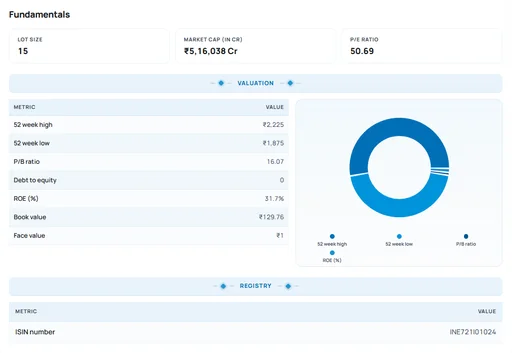
Valuation Scale: The NSE IPO could raise nearly ₹30,600 crore, making it a strong contender to become India's largest IPO. The exchange's valuation is estimated at over ₹5.2–5.3 lakh crore, positioning it among the most valuable listings globally.
Regulatory Clearance: NSE received a No Objection Certificate (NOC) from SEBI in January 2026, and its board approved the proposed IPO on February 6, 2026. This cleared a major hurdle after years of regulatory scrutiny.
Institutional Interest: Large institutions and retail investors have been closely tracking NSE's unlisted shares, making the IPO announcement a pivotal moment for many existing shareholders.
What Is LIC's Stake in NSE?
LIC holds a significant 10.7% stake in NSE, translating to about 26.5 crore shares. This makes NSE one of LIC's most valuable holdings among unlisted entities.
As India's largest institutional investor, LIC's substantial ownership in NSE carries significance beyond mere shareholding percentages. LIC's investment in NSE is valued at over Rs 66,319 crore based on the latest unlisted market price of Rs 2,500 per share, ranking it among LIC's top six most valuable investments as of the March 2025 quarter.
LIC's stake in NSE has been built over time through strategic acquisitions and reflects the insurer's confidence in the exchange's long-term value proposition.
What Is LIC's Reported Long-Term Strategy for NSE?
LIC will not be selling any part of its stake in NSE as part of the exchange's IPO, choosing instead to hold on to one of its most valuable holdings. This decision is particularly notable because the IPO offers an obvious exit opportunity for existing shareholders seeking to book gains.
LIC's decision to remain invested suggests a conviction that significant value creation lies ahead for NSE beyond the public listing itself. Rather than using the IPO as an exit opportunity like some private equity or venture capital investors, LIC appears to be betting on NSE's continued dominance and growth potential in India's evolving capital markets.
Reports have also indicated that LIC may consider increasing its NSE holding by approximately 0.5% to 1% after the IPO, depending on factors such as the IPO valuation, listing price, market conditions and regulatory requirements. However, any such stake increase remains conditional and should not be treated as a confirmed transaction. It would depend entirely on post-listing circumstances and LIC's assessment of valuation at that time.
NSE IPO Allotment: What Investors Should Know
The basis of allotment is currently scheduled for 24 September 2026, subject to official confirmation. After the IPO closes on 23 September, the share allotment process will be finalised according to the applicable IPO regulations and the final offer documents.
Investors who have applied for NSE shares will receive allotment notifications through the registrar. The allotment will be based on the subscription received, the IPO structure (since this is an OFS), and applicable regulatory guidelines.
Following allotment, investors typically receive their shares in their demat accounts, and refunds are processed for unsuccessful bids. The exact demat credit timeline will be specified in the final offer documents.
NSE IPO Listing: When and How?
The NSE IPO is expected to list on 28 September 2026, marking the exchange's transition into a publicly traded company on the BSE. From that date onwards, NSE's shares would be freely traded on the public market.
The listing price will depend on market demand and prevailing conditions at the time of listing. Investors should avoid assuming that the stock will necessarily list at a premium. While IPO listing gains capture media attention, they are not guaranteed and fluctuate based on demand, valuation, overall market sentiment and broader economic conditions.
What Should Investors Evaluate Before the NSE IPO?
For retail and institutional investors considering subscribing to the NSE IPO, several key factors warrant careful evaluation:
IPO Price Band
The final price band will be critical for assessing NSE's valuation relative to its financial performance and business growth prospects. A reasonable price band provides better risk-adjusted returns than an aggressively high valuation.
Issue Size and Structure
The NSE IPO is structured as a pure Offer for Sale, with existing shareholders selling up to 148.9 million shares, representing about 6% of the exchange. Understanding who is selling (institutional investors, strategic shareholders like LIC, etc.) and what percentage is being offloaded helps gauge market dynamics.
Valuation Considerations
Even a business with strong fundamentals can be an unattractive investment at certain valuations. NSE's current unlisted valuation is already substantial. Investors should compare the IPO price band against the exchange's financial metrics, revenue growth and market position to assess if the valuation is justified.
Financial Performance
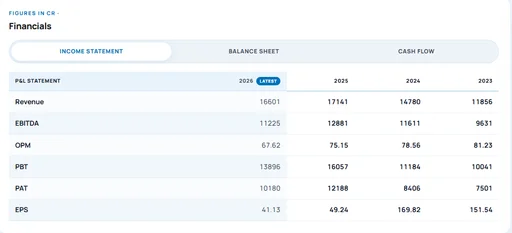
NSE's revenue, profitability, earnings growth and margins should be carefully reviewed. The exchange's business model, fee structure, and revenue diversification across segments (equities, derivatives, debt, currency) impact its long-term sustainability.
Institutional Participation
The level of subscription from Qualified Institutional Buyers (QIBs) can provide a signal of institutional confidence. However, strong institutional participation should not be the sole basis for an investment decision, as valuations can adjust after listing based on broader market conditions.
Market Position and Competitive Dynamics
While NSE currently dominates India's securities trading, investors should consider regulatory changes, competition, technological disruption, and the exchange's ability to maintain its market position over the long term.
Regulatory Environment
As a market infrastructure institution, NSE is subject to ongoing regulatory oversight by SEBI and other authorities. Changes in regulations, compliance requirements, or enforcement actions can impact the exchange's operations and profitability.
Listing Expectations
NSE's public listing will attract significant media attention and investor interest. However, popularity and trading volumes around listing do not automatically translate into attractive long-term returns. Avoid making investment decisions based solely on IPO hype.
NSE IPO 2026: Complete Timeline
The currently reported timeline for the NSE IPO can be summarized as follows:
21 September 2026 → IPO subscription opens
23 September 2026 → IPO subscription closes
24 September 2026 → Allotment of shares
25 September 2026 → Demat credit and refund process
28 September 2026 → Expected listing on BSE
Please note that these dates are currently expected but not yet officially confirmed. The final timeline will be released in the official offer documents and announcements by NSE, SEBI, and the registrar.
How Does the NSE IPO Relate to NSE Unlisted Shares?
For investors who have been tracking https://www.dhankirti.co.in/shares/nse-india-limited-unlisted-shares the upcoming IPO represents a significant market development.
NSE unlisted shares are equity stakes in the exchange that currently trade in the grey market (informal, unregulated trading outside of exchanges). These shares are typically bought and sold through special dealers, brokers or investment platforms that facilitate over-the-counter transactions. The pricing in the grey market is based on demand, investor sentiment, and perceived valuation.
Once NSE's IPO is completed and the shares list on the BSE, the company will become a listed entity. At that point, NSE shares will begin trading on the public market at prices determined by supply and demand on the exchange.
What Should Investors Know About NSE Unlisted Shares?
Definition: NSE unlisted shares are equity stakes in the National Stock Exchange that currently exist as private holdings but are not yet listed on any public exchange. They represent ownership in NSE before its planned public listing.
Pricing is Indicative: Grey market prices for NSE unlisted shares currently range around ₹2,500 per share, but these prices are indicative and based on informal market transactions. They may not accurately reflect the eventual IPO price or post-listing trading price.
Liquidity Considerations: Unlisted shares typically have lower liquidity compared to listed shares. Finding a buyer or seller may take time, and transaction costs can be higher due to the absence of a centralized exchange.
Valuation Variability: The price at which NSE unlisted shares trade may differ significantly from the IPO price. Unlisted share valuations can be speculative and influenced by informal market sentiment rather than comprehensive financial analysis.
Risk Factors: Investing in unlisted shares carries specific risks:
Limited regulatory oversight compared to listed companies
Difficulty in verifying valuations
Challenges in exiting the investment
Potential for significant price swings based on rumor or limited information
Counterparty risk if trading through informal channels
Relationship to IPO: If you hold NSE unlisted shares before the IPO, you may have the opportunity to hold them through the listing. However, the shares would then transition from unlisted to listed status, and their market value would be subject to public market pricing. If the IPO price is significantly lower than your unlisted purchase price, you would face a paper loss; conversely, if the IPO price is higher, you would benefit.
The key takeaway: unlisted share prices and IPO prices are determined through different mechanisms and can vary considerably. Buying NSE unlisted shares is not a guaranteed way to profit from the upcoming IPO.
Key Risks and Due-Diligence Points
Before making any investment decision related to NSE, whether through the IPO or unlisted shares, consider these important points:
IPO popularity does not guarantee returns: The NSE IPO will likely receive significant attention and strong demand. High demand and listing gains, however, are not guaranteed and do not indicate positive long-term share performance.
Regulatory dependence: NSE operates under significant regulatory oversight. Changes in regulations, enforcement actions, or policy changes by SEBI could impact the exchange's business model and profitability.
Valuation matters: Even a structurally strong business can be an unattractive investment at high valuations. Compare NSE's IPO price band with its financial metrics and growth prospects.
Market maturity: India's securities market is mature and well-regulated, but trading volumes, fee structures, and revenue concentrations can be subject to economic cycles and market trends.
Listing is not a guarantee: While NSE's IPO is widely expected and SEBI has provided regulatory clearance, unforeseen circumstances could delay or alter the listing timeline.
Unlisted share prices may fall: If you hold NSE unlisted shares and the IPO price comes in significantly lower than the grey market price, your investment value could decline.
Educational Disclaimer
Important: The information provided in this article is for educational and informational purposes only and should not be considered investment advice. NSE IPO dates, issue details, valuation, price band and other information are subject to change. The dates mentioned in this article are currently expected but have not been officially confirmed. Investors must verify the latest information through official NSE announcements, SEBI disclosures, exchange notifications, and final offer documents before making any investment decision.
All investment decisions carry inherent risks. Past performance or market expectations do not guarantee future results. Investors should conduct thorough due diligence, understand the risks involved, and consult with qualified financial advisors before investing in the NSE IPO, unlisted shares, or any other security.
Frequently Asked Questions
When is the NSE IPO expected in 2026?
The NSE IPO is currently targeted for September 2026. Based on available information, the subscription window is expected to open around 21 September 2026, though exact dates are not yet officially confirmed.
What is the NSE IPO date?
The exact NSE IPO date has not been officially announced by SEBI or NSE. Available information suggests September 2026 as the target month, with mid-to-late September as the expected opening window.
What is the NSE IPO allotment date?
The allotment is currently expected on 24 September 2026, subject to official confirmation in the final offer documents.
What is the NSE IPO listing date?
NSE is expected to list on 28 September 2026, though this date remains tentative pending regulatory and procedural clearances.
What is the difference between NSE unlisted shares and NSE IPO shares?
NSE unlisted shares currently trade in the grey market at indicative prices (around ₹2,500 per share). Once the IPO is completed and NSE lists, the shares will trade on the BSE at prices determined by public market supply and demand. The IPO price may differ from grey market prices, and post-listing prices will fluctuate based on trading activity.
What is LIC's stake in NSE?
LIC holds approximately 10.7% of NSE, equivalent to about 26.5 crore shares. This represents one of LIC's most valuable holdings among unlisted entities.
Will LIC sell its NSE shares in the IPO?
No. LIC has announced that it will not sell its stake in NSE as part of the IPO. It intends to remain a long-term strategic investor in the exchange.
Are NSE unlisted shares risky?
Yes. Unlisted shares carry several risks: limited liquidity, indicative pricing not backed by public market mechanisms, regulatory uncertainties, difficulty in exiting, and potential for significant value fluctuations. The unlisted price may differ substantially from the eventual IPO price.
Is the NSE IPO date officially confirmed?
No. The dates provided in available information are currently expected and targeted. The exact IPO dates will be officially announced by NSE and SEBI in the final offer documents and regulatory disclosures.
What should investors check before investing in the NSE IPO?
Key factors include: IPO price band and valuation, financial performance and revenue metrics, institutional participation, market position and competitive dynamics, regulatory environment, issue structure (Offer for Sale vs. fresh issue), and overall market conditions. Avoid making decisions based solely on IPO hype or listing expectations.
Can I hold NSE unlisted shares and transition them to the listed IPO?
The mechanics of transitioning unlisted shares to listed status depend on your ownership structure and the IPO process. If you hold unlisted shares through authorized channels, they may be eligible for transition upon listing. However, this should be verified with your broker or investment platform and through the final offer documents.
Where can I find current NSE IPO updates?
Official updates will be available on the NSE website (https://www.nseindia.com/), SEBI website (https://www.sebi.gov.in/), and through the registered merchant bankers and registrar for the IPO once the formal process commences.
Final Takeaway
The NSE IPO 2026 represents a historic milestone for India's capital markets, offering public-market investors an opportunity to own shares in one of the world's most important stock exchanges. Based on currently available information, the IPO is targeted for September 2026, with subscription expected around 21–23 September, allotment on 24 September, and listing on 28 September.
LIC's decision to remain as a long-term strategic investor—holding its 10.7% stake and potentially increasing it post-listing—signals institutional confidence in NSE's future prospects. However, institutional backing should not be the primary basis for an investment decision.
For retail investors, the key is to evaluate NSE's valuation, financial performance, market position, and long-term growth prospects through the final offer documents rather than rely on IPO popularity or listing hype. Those tracking NSE unlisted shares should be aware that grey market prices and the eventual IPO price may differ significantly.
Verify all information through official NSE, SEBI, and exchange channels, review the final offer documents carefully, and conduct thorough due diligence before making any investment decision. Consider consulting qualified financial advisors to assess whether the NSE IPO aligns with your investment objectives and risk profile.
Explore pre-IPO and unlisted share opportunities on https://www.dhankirti.co.in/shares and understand the available information, valuation and risks before making an investment decision.